
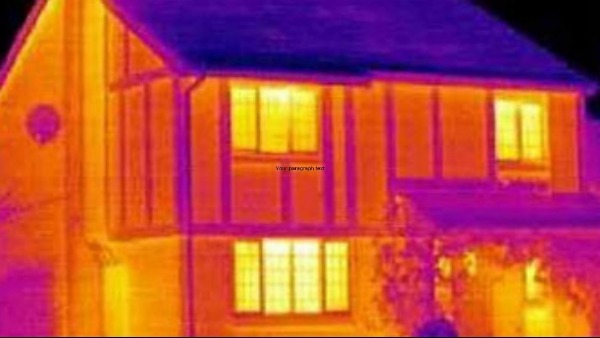
Many of us live in homes built before 1970. If you live in one of these older homes, the insulation in your walls may not meet modern energy efficiency standards. And almost every home in Melrose could use air sealing to reduce gaps that allow in cold air. For perspective, some older homes have as much as five times the air leakage of a new construction home today. That is a lot of cold air seeping into your home making it uncomfortable and expensive to heat.
Start with installing all of the MassSave-subsidized insulation and air sealing available. The first stop for upgrading your insulation and air sealing is Mass Save, the state sponsored energy efficiency program, which provides financial incentives that cover 100% of air sealing costs and 75% of the cost of insulation upgrades recommended through a no-cost home energy assessment. There is also a 0% loan program for up to $25,000 for financing HVAC and energy efficiency measures.
If you have already had a Mass Save home energy assessment but it was more than two years ago, it is worth having one again, as the incentives and the work covered in the program have gotten better over time. If your assessment is within the last two years you can still receive the incentive; check with the company who did that assessment to see if you qualify.
Keep on top of drafts, cold spots and air leakage. Small air leaks and gaps in insulation can often be easily addressed by homeowners or local handymen with caulk, expanding foam and weatherstripping, and can have a big impact on energy usage. Even well-insulated homes, including those that have had MassSave sponsored upgrades, can have gaps and leaks due to later work by contractors, deterioration of caulking, insulation settling or getting wet, and other routine problems that can develop over time.
Homeowners often think of doors and windows, but more than half of the air leakage in homes is through floors, walls and ceilings. Duct work is another major source of leaks where ducts pass through unconditioned spaces. Attic leaks are the most important to address due to the stack effect – as rising warm air leaves the house through leaks in the attic, it is replaced by cold air on the lower floors. Today’s insulation contractors usually do a good job air sealing when they insulate an attic, but that was not always the case in the past.
Want to go deeper? There are many more energy efficient improvements you can make beyond the standard Mass Save approved insulation and air-sealing, especially if you are making home improvements such as re-siding your home or having a renovation or addition done. Ask prospective contractors if they are familiar with measures that go beyond the current building code, such as continuous exterior insulation. MassSave has additional incentives for major renovations and additions, as well as 0% loans for greater energy efficiency measures.